.png?width=268&height=52&name=f1-logo2%20(1).png)

Science labs are some of the most dynamic, high-risk environments on any university campus. From chemical storage and air filtration systems to emergency response tools and lab equipment, the stakes are high—and so is the pressure on facility teams to keep these spaces compliant, safe, and fully operational.
Whether you're managing a single lab building or a multi-campus research facility, compliance is key to reducing risk, preventing shutdowns, and protecting both students and staff.
Here are essential tips to help facility managers maintain safer, regulation-ready university science labs.
Why Lab Compliance Is So Critical
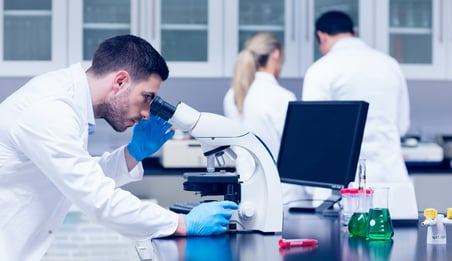 University laboratories are subject to multiple layers of regulation—often more so than other buildings on campus. Facility teams must align with:
- Lab safety standards
-
NFPA fire protection codes
-
EPA hazardous materials handling regulations
-
Local building and ventilation codes
-
University-specific lab policies
Failure to meet these standards can lead to costly citations, program interruptions, or serious safety incidents. But with the right systems in place, facility managers can proactively stay ahead of compliance challenges.
Key Compliance Tips for Safer Lab Facilities
1. Prioritize Preventive Maintenance on Critical Systems
Lab ventilation (especially fume hoods and exhaust systems), emergency showers, eyewash stations, and fire suppression systems must be regularly inspected and maintained. Delays in upkeep can lead to shutdowns or noncompliance during inspections.
Pro Tip: Set up automated preventive maintenance schedules for safety-critical assets using a CMMS system.
2. Keep Lab-Specific Assets Digitally Tracked
Science buildings contain specialized equipment like autoclaves, centrifuges, gas lines, and filtration systems. These assets often have unique servicing timelines. Track them digitally with a solution that includes serial numbers, maintenance logs, and warranty details.
3. Map Safety Zones and Equipment Locations
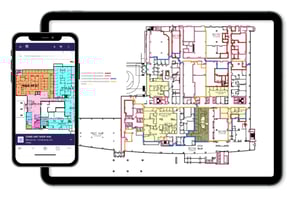
During an emergency, staff and responders must know exactly where to go. Digital floorplans that map safety equipment, shutoff valves, and restricted zones help speed up response and ensure compliance with campus and fire codes.
4. Maintain Accurate Documentation
OSHA and other agencies may require documentation for equipment inspections, incident reports, and hazard mitigation. Digital recordkeeping ensures this data is easy to access and audit-ready at all times.
5. Coordinate With Lab Managers and Faculty
A compliant building requires collaboration. Build regular touchpoints with faculty or lab managers to stay updated on lab uses, new equipment, or any changes that may impact facility safety.
Risks of Falling Behind on Lab Safety Compliance
Noncompliance doesn't just affect inspections—it can have long-term impacts on your university's reputation and operations:
-
Research delays from building or lab closures
-
Increased liability in the event of an accident
-
Fines or lost funding tied to compliance standards
-
Negative student or faculty experiences that affect retention
These risks are avoidable with a proactive facility management strategy focused on visibility, tracking, and regular maintenance.
How FacilityONE Supports Lab Safety and Compliance
 FacilityONE offers the tools higher education facility teams need to stay ahead of lab compliance challenges. With F1 WORKS, you can automate preventive maintenance, track lab equipment details, and assign compliance-related work orders with ease.
Using F1 MAPS, you’ll gain interactive floorplans that clearly identify lab layouts, safety zones, and equipment locations—ideal for inspections and emergency response.
And with F1 INSIGHTS, your team gets real-time visibility into asset health and maintenance performance to help reduce risk and avoid compliance gaps.
Keep Your Labs Safe, Compliant, and Operational
Lab safety isn't optional—and compliance shouldn't be reactive. With the right tools and processes, your university can protect its science facilities, meet regulatory standards, and provide a safer learning and research environment for everyone.