.png?width=268&height=52&name=f1-logo2%20(1).png)

Preventive maintenance is no longer just a best practice—it’s a necessity. Whether you're managing a corporate campus, healthcare facility, or educational institution, unexpected equipment failures can disrupt operations, drain budgets, and frustrate teams. But with the right strategy and tools in place, preventive maintenance becomes a powerful way to protect your assets, reduce downtime, and gain long-term operational control.
Here’s how to move from reactive fixes to a proactive, reliable preventive maintenance program.
Step 1: Centralize Your Facility Data
It starts with visibility. Many organizations still rely on spreadsheets, paper logs, or outdated systems to track equipment and maintenance tasks. Without a centralized digital database, it’s nearly impossible to stay ahead of routine service schedules.
By digitizing and consolidating your asset information—including equipment types, locations, service history, and warranty data—you create a single source of truth for your team. This foundation allows for accurate tracking, better planning, and smarter decision-making.
Step 2: Automate Recurring Maintenance Schedules
Preventive maintenance only works when it’s consistent. Relying on manual reminders or sticky notes to schedule tasks can lead to missed service dates and costly breakdowns.
A facility management platform with automated scheduling features ensures that tasks are triggered at the right intervals based on usage, time, or manufacturer recommendations. Your team receives clear instructions, timely reminders, and priority settings that keep your maintenance calendar organized and your operations running smoothly.
Step 3: Prioritize and Track Work Orders
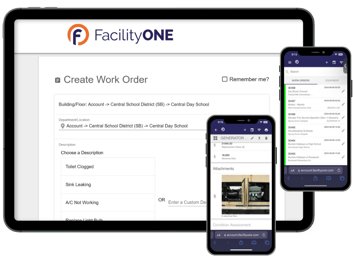 Once tasks are scheduled, it’s critical to track them through to completion. A well-organized work order system gives you real-time visibility into what’s been done, what’s overdue, and what’s upcoming.
Look for a platform that lets you:
-
Assign tasks by priority, location, or technician
-
Attach photos or documentation to maintenance records
-
Track labor hours and material usage
-
Generate audit-ready reports with ease
This level of control not only improves accountability but also helps identify patterns—like repeat issues with a specific asset—that can inform better capital planning.
Step 4: Monitor Asset Health Over Time
Preventive maintenance isn’t just about checklists—it’s about understanding your assets. Over time, tracking service frequency, repair costs, and equipment performance helps you predict when to repair, replace, or upgrade.
Insight-driven dashboards and reporting tools can highlight trends, flag underperforming assets, and support more accurate budgeting. This long-term visibility is what transforms maintenance from a cost center into a strategic advantage.
Step 5: Get Your Team on Board
No system works without adoption. Training your staff on how to use your facility management tools—and why preventive maintenance matters—is key to success. Make sure your team understands how to access and close work orders, document issues, and escalate concerns when necessary.
Choose software that’s easy to use on both desktop and mobile devices so technicians can stay connected in the field and in the office.
How FacilityONE Can Help
We help organizations simplify preventive maintenance with solutions designed to centralize asset data, automate maintenance scheduling, and track every task from start to finish. Whether you're managing one location or dozens, our platform gives your team the visibility, tools, and support they need to keep operations running at their best.
Ready to improve reliability and reduce costly breakdowns?