.png?width=268&height=52&name=f1-logo2%20(1).png)

School facility managers are facing more pressure than ever to keep buildings safe, efficient, and up to code. Whether it is a public school district or a large college, education facilities must support everything from classroom operations to emergency readiness. In 2025, new technology is helping schools meet these demands with smarter tools and faster decision-making.
This year’s top facility management trends are focused on digital access, automation, data insights, and real-time visibility. Below, we explore the key innovations that are shaping how education leaders manage their buildings and campuses.
Digital Floorplans and Interactive Campus Maps
 Gone are the days of printed blueprints and binders of room layouts. In 2025, more schools are adopting digital floorplans that can be updated, searched, and shared online. These interactive campus maps allow maintenance teams to quickly locate equipment, assets, and work order locations from their phones or tablets.
This is especially useful for large campuses with multiple buildings or new staff who are still learning their way around. Digital maps also support emergency response by helping staff and first responders locate critical shutoffs, exits, or alarms with just a few clicks.
Mobile-First Facility Management
With more school staff working across multiple buildings or zones, mobile access has become a top priority. Many facility managers now rely on mobile apps to submit, assign, and close work orders while on the move.
This mobile-first approach allows teams to respond faster, capture photos of completed work, and check asset history without going back to a desktop. It also helps with accountability and documentation, especially during inspections or audits.
Smart Preventive Maintenance Schedules
Preventive maintenance is not new, but how schools manage it is changing. In 2025, more school systems are using automated platforms that schedule recurring tasks, track technician activity, and generate maintenance history for each asset.
Instead of relying on memory or paper calendars, these platforms send automatic reminders when filters need to be changed, systems need to be inspected, or compliance-related checks are due. For schools, this means fewer equipment failures, safer buildings, and better use of maintenance budgets.
Centralized Work Order Systems
One of the biggest trends in education facility management is the move to a centralized digital system for all work orders. These systems give administrators and maintenance teams one place to manage tasks, view updates, and track status in real time.
Work orders can be created by staff, automatically assigned to the right technician, and closed with notes or photos. This reduces confusion, prevents duplicate requests, and helps teams focus on the highest priority issues.
Centralized systems also make it easy to run reports, spot patterns, and improve response times—something that matters for both student safety and daily operations.
Facility Analytics and Reporting Dashboards
Schools are under pressure to do more with less. That is why data is playing a larger role in how facilities are managed. In 2025, facility dashboards are giving education leaders a clear view of building performance, maintenance trends, and resource use.
Dashboards help track things like average response time, number of overdue tasks, and top recurring issues. Some schools even use them to plan capital improvements, forecast equipment replacement, or prepare for board meetings and compliance reviews. With access to the right data, schools can make faster, smarter decisions.
Support for Emergency Preparedness
With increased focus on school safety, facility management tools are now playing a bigger role in emergency planning. Technology that helps schools organize their response plans, document drills, or map out safety equipment is becoming more common.
Digital platforms can store emergency protocols, make them accessible to key staff, and even integrate with alert systems or floorplans. This helps schools be better prepared for fire drills, severe weather, lockdowns, or other critical events. Learn more here.
How FacilityONE Supports These Trends
FacilityONE helps K-12 schools, colleges, and universities modernize the way they manage their buildings. From digital mapping and mobile access to preventive maintenance and real-time dashboards, our platform brings everything together in one place.
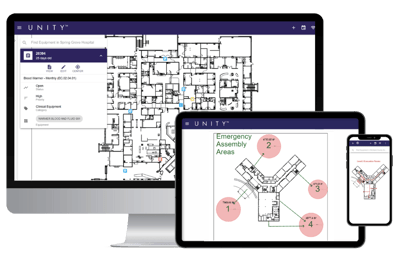 We help schools:
-
Organize maintenance and emergency plans
-
Improve communication between departments
-
Make data-driven decisions
-
Stay audit and inspection ready
-
Extend the life of assets and equipment
Want to see how FacilityONE fits into your school’s facility strategy for 2025?


.jpg?width=352&name=close-up-female-student-typing-laptop-table%20(1).jpg)